The Practice
A selection of studies exploring the forms and technical lineage of traditional East Asian painting. These works reflect a four-year practice initiated in the Netherlands and further developed during an intensive study period in South Korea.
Working with mineral pigments on hanji paper, the collection focuses on the discipline of classical motifs. Recent work incorporates Jinchae - a court-style method of painting on silk - utilising the material’s characteristic depth and luminosity.
The Technique
The application of traditional Korean pigment-layering to both Minhwa and Gongbi compositions. This approach focuses on the balance between meticulous realism and the historical use of mineral colours.
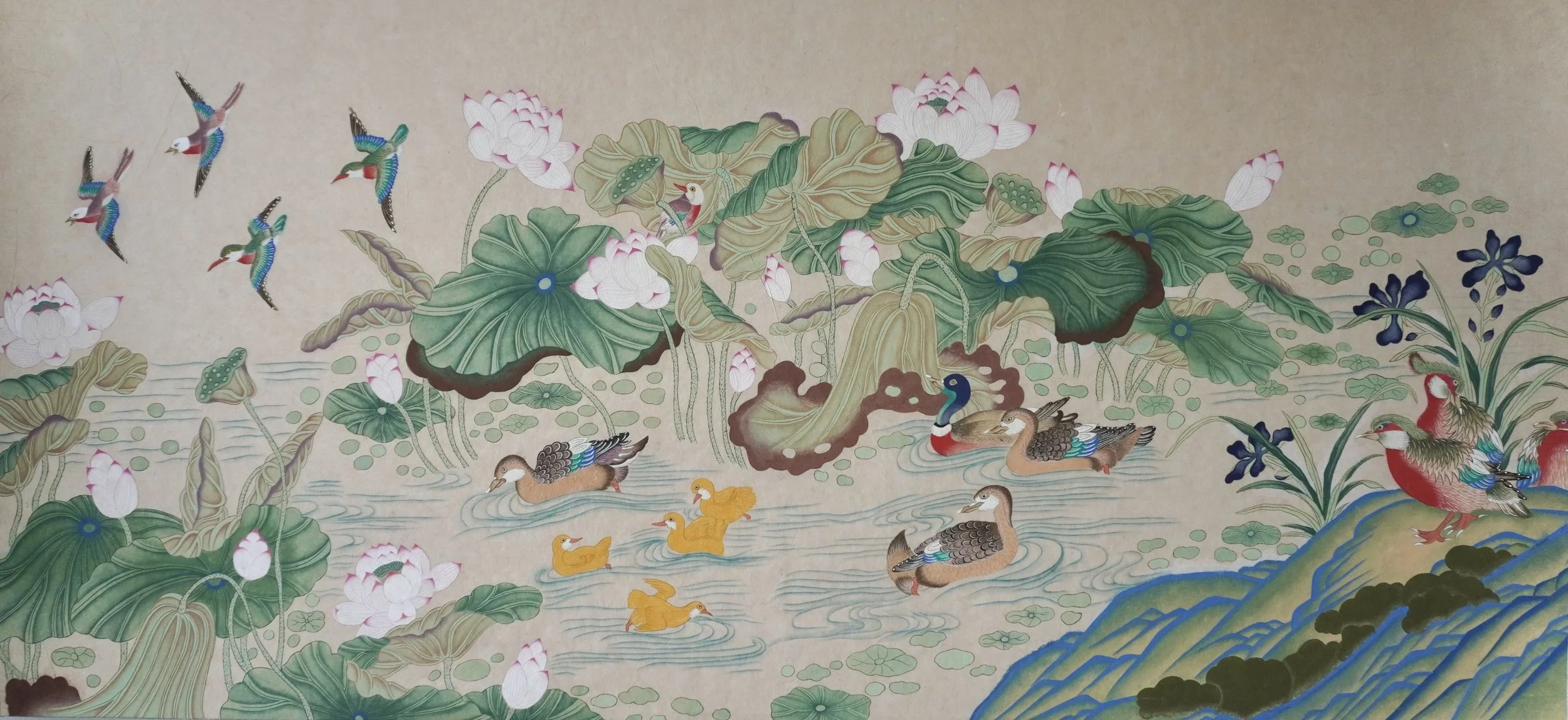
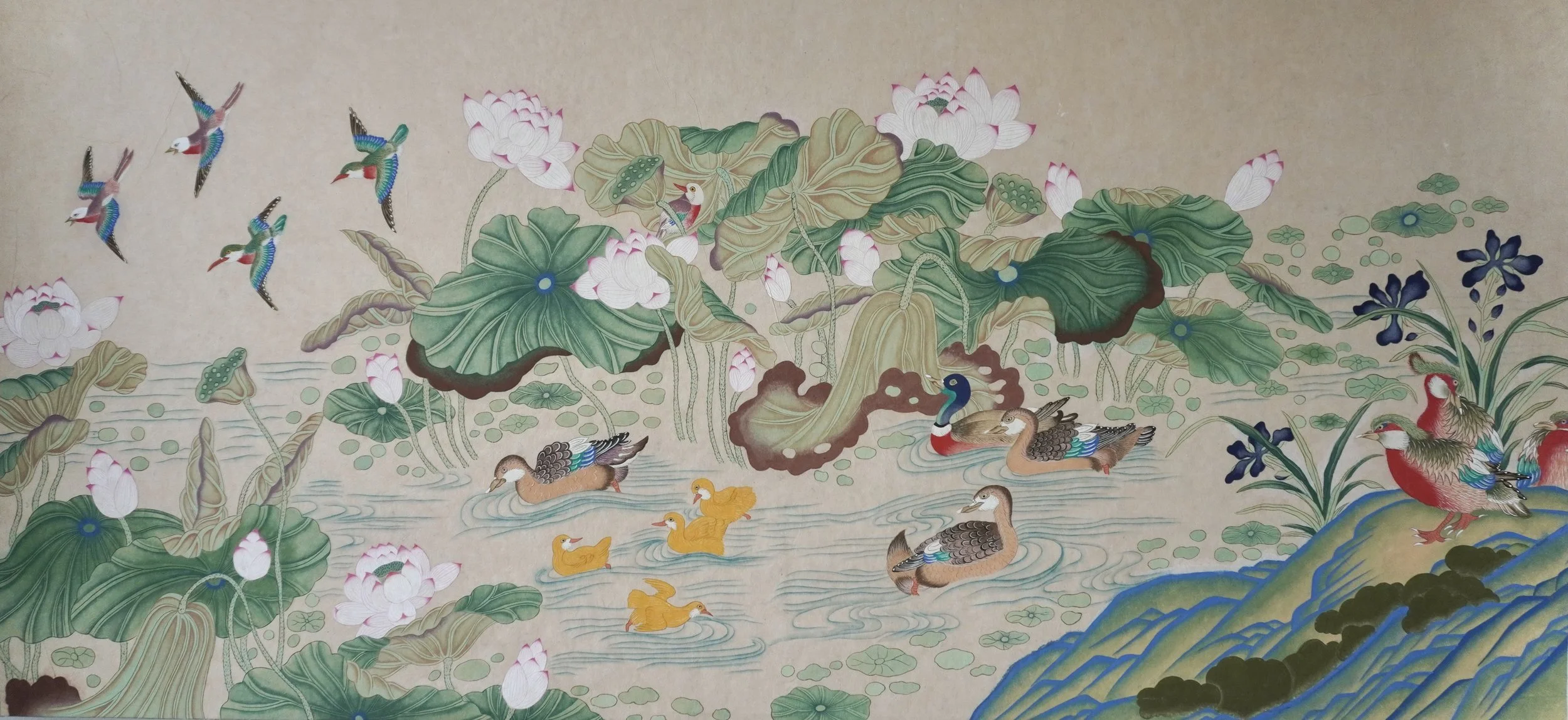
Yeonjido (연지도) – Lotus Pond A study on hanji paper; technical guidance by Bae Song-Yi at Hongdae Minhwa. Based on a 19th-century anonymous masterpiece. Symbolising purity, fertility, and family harmony, the Lotus Pond is a cornerstone of traditional Korean landscape and floral motifs.
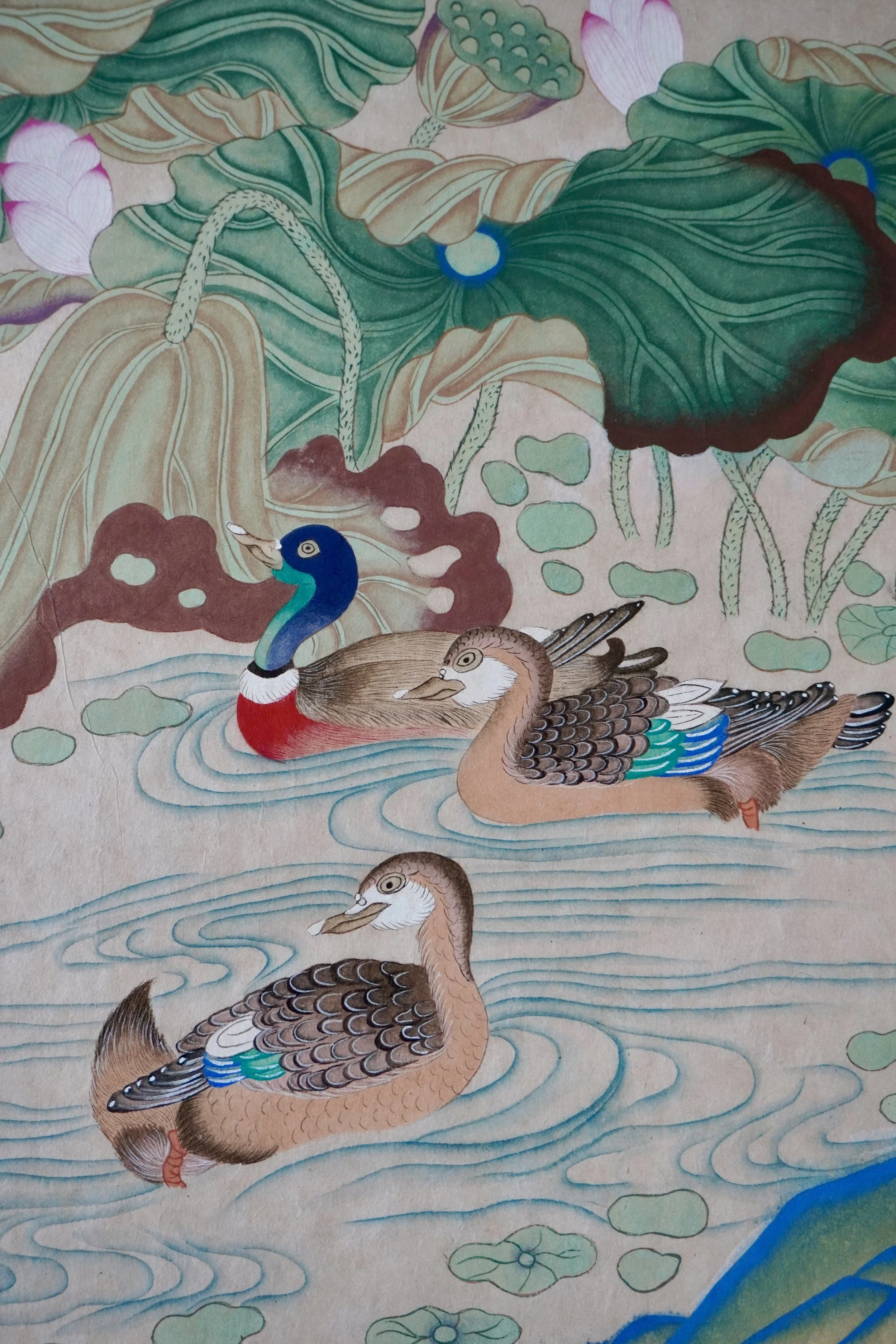
Yeonjido (연지도) – Lotus Pond A study on hanji paper; technical guidance by Bae Song-Yi at Hongdae Minhwa. Based on a 19th-century anonymous masterpiece. Symbolising purity, fertility, and family harmony, the Lotus Pond is a cornerstone of traditional Korean landscape and floral motifs.
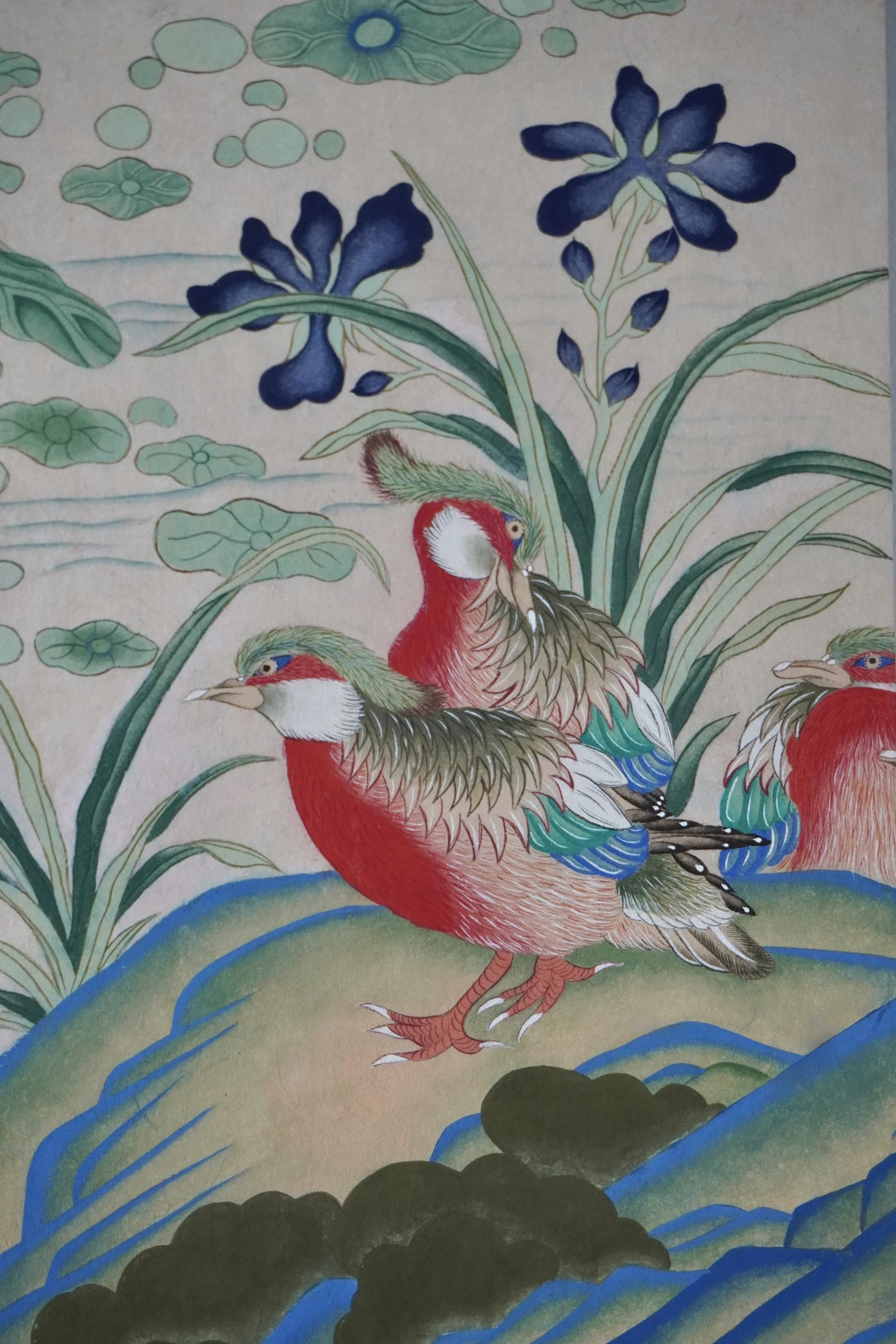
Yeonjido (연지도) – Lotus Pond A study on hanji paper; technical guidance by Bae Song-Yi at Hongdae Minhwa. Based on a 19th-century anonymous masterpiece. Symbolising purity, fertility, and family harmony, the Lotus Pond is a cornerstone of traditional Korean landscape and floral motifs.
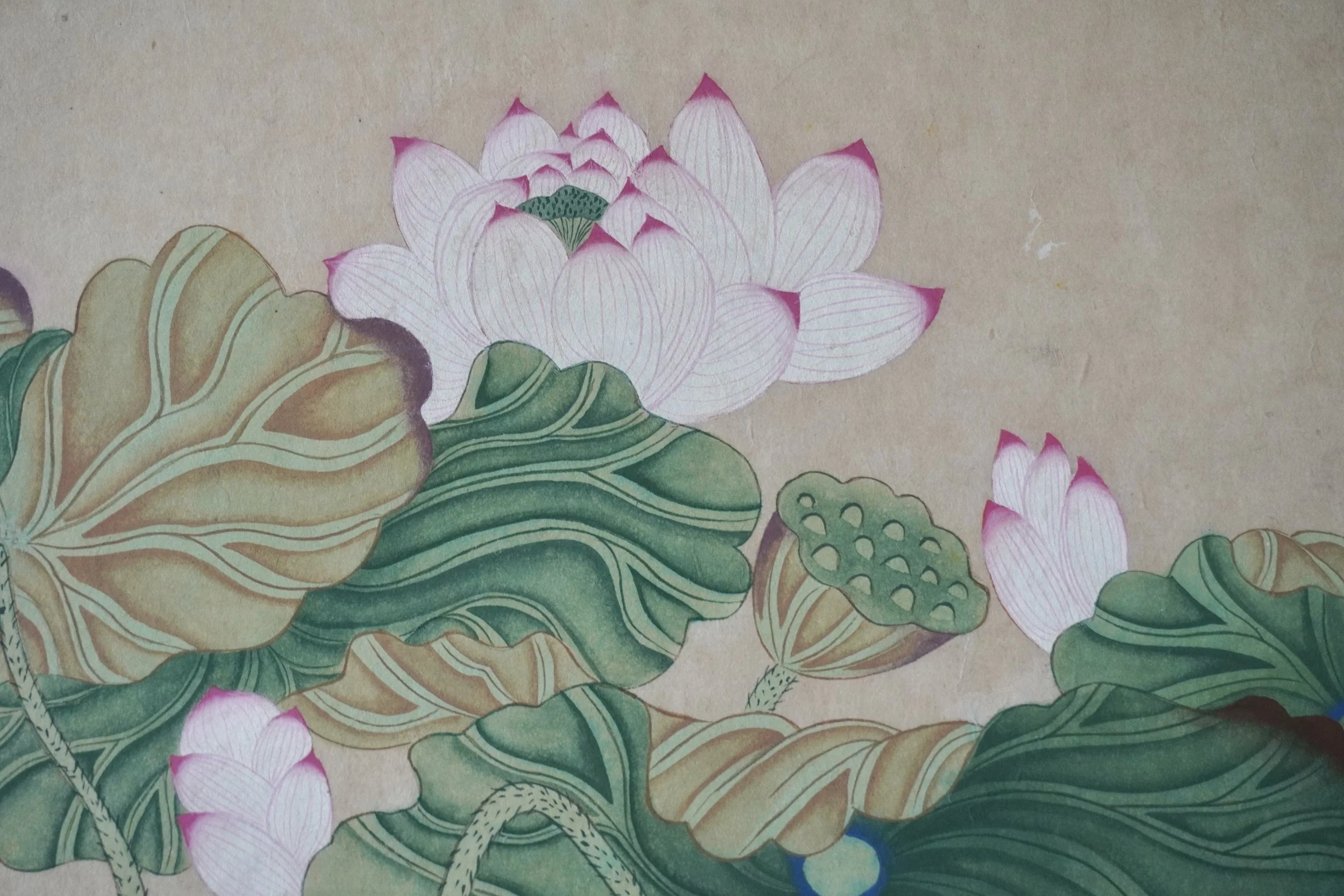
Yeonjido (연지도) – Lotus Pond A study on hanji paper; technical guidance by Bae Song-Yi at Hongdae Minhwa. Based on a 19th-century anonymous masterpiece. Symbolising purity, fertility, and family harmony, the Lotus Pond is a cornerstone of traditional Korean landscape and floral motifs.
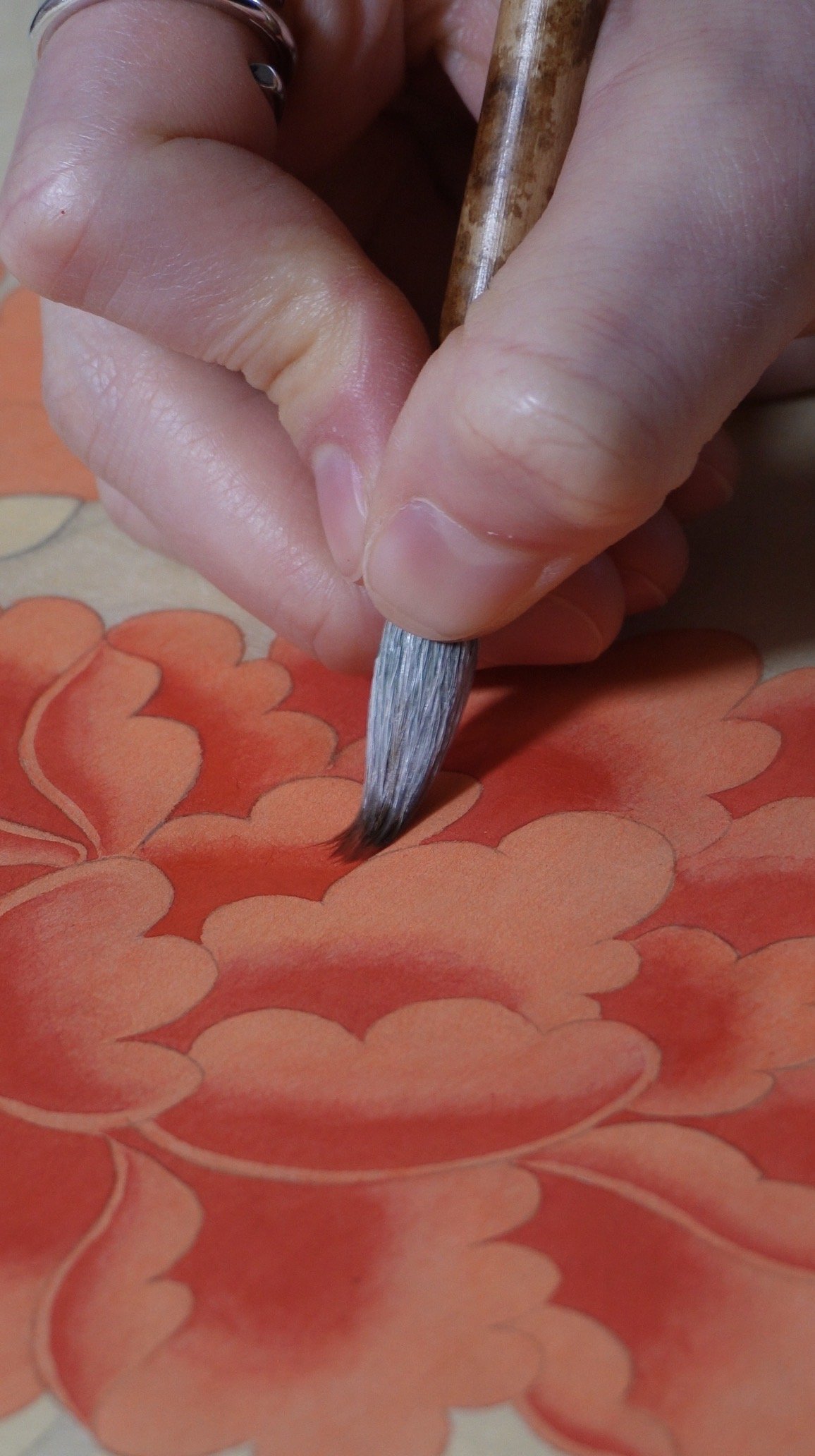
Original painting of Peony on hanji paper, 2026. Known as the "King of Flowers," the peony is the ultimate symbol of wealth, high social status, and prosperity in Korean art. It was historically used in royal court screens to represent the dignity and longevity of the dynasty.
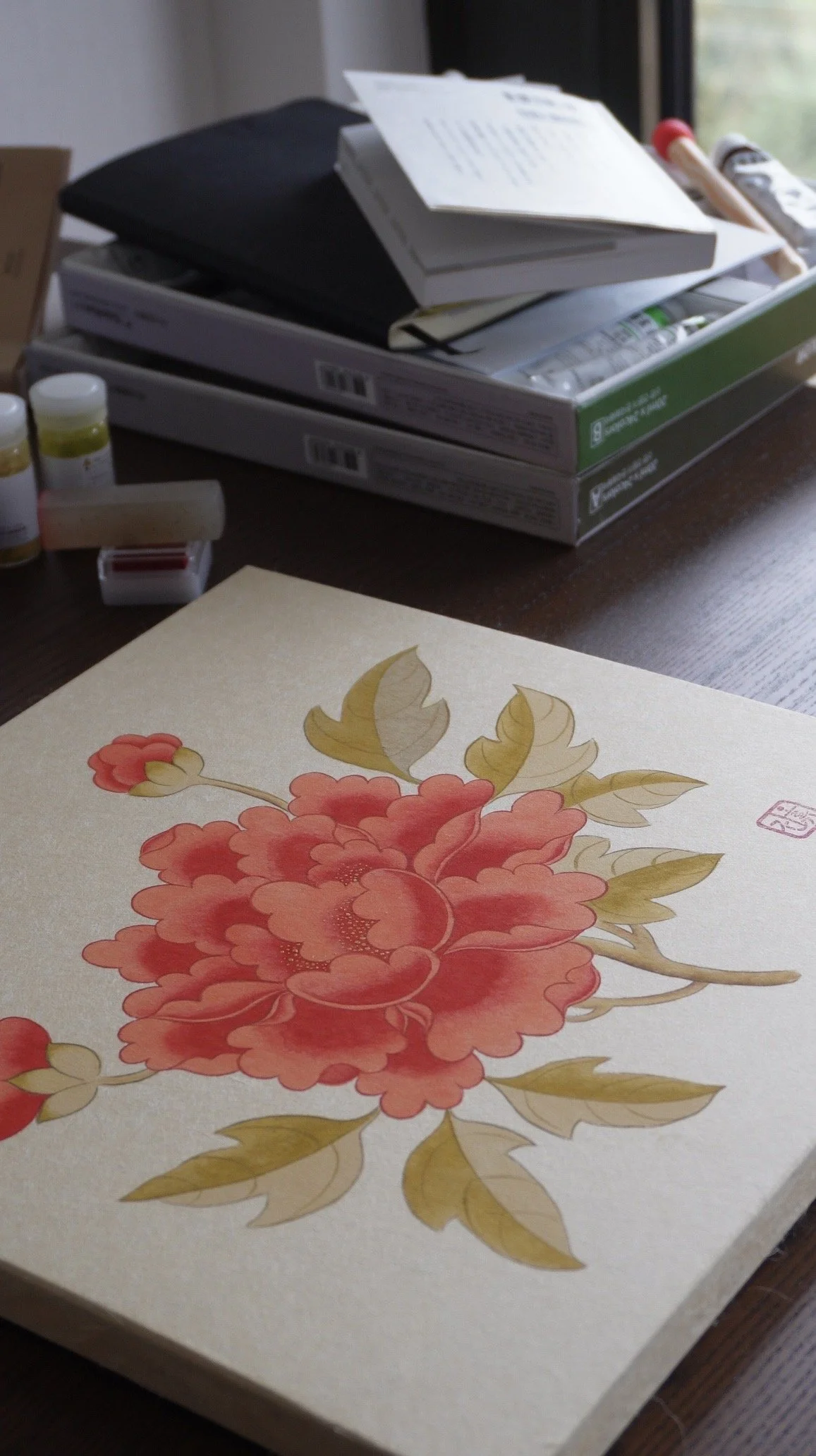
Original painting of peony on hanji paper, 2026. Known as the "King of Flowers," the peony is the ultimate symbol of wealth, high social status, and prosperity in Korean art. It was historically used in royal court screens to represent the dignity and longevity of the dynasty.
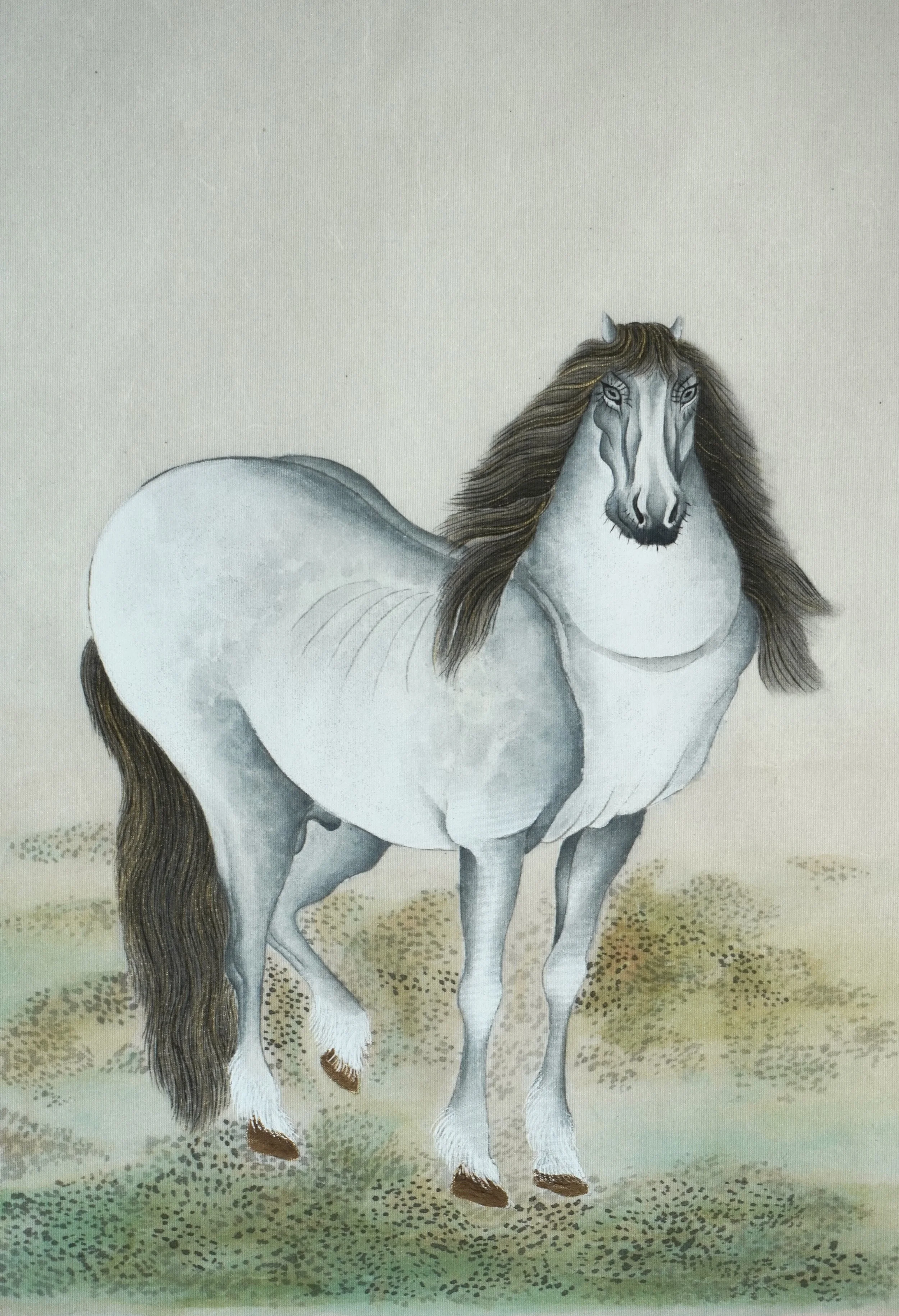
A study of Paljundo (八駿圖), the Painting of Eight Magnificent Steeds. The horse depicted above is Yurincheong (游麟靑), originally by Unknown Artist, mid 15th century. Executed on silk using shell and stone pigments, under the guidance of Jang Mi-ri at Jinchae.Lab (directed by Jeong Hae-jin), using the provided draft.
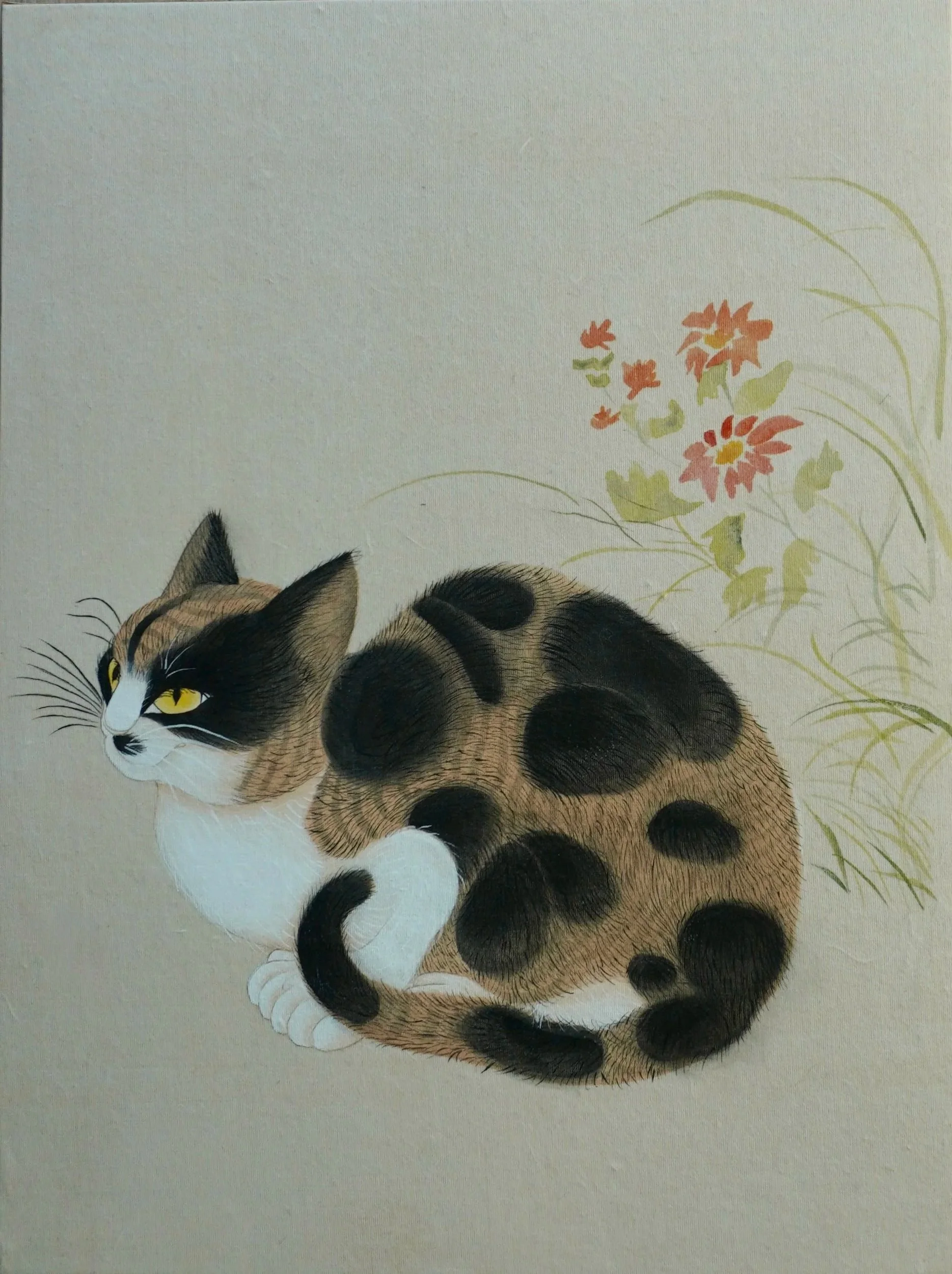
Gukjeong chumyo (국정추묘) – Autumn Cat in a Fine Garden A study on silk, based on the 18th-century masterpiece by Byeon Sang-byeok. Executed under the guidance of Jang Mi-ri at Jinchae.Lab (directed by Jeong Hae-jin), using the provided draft.
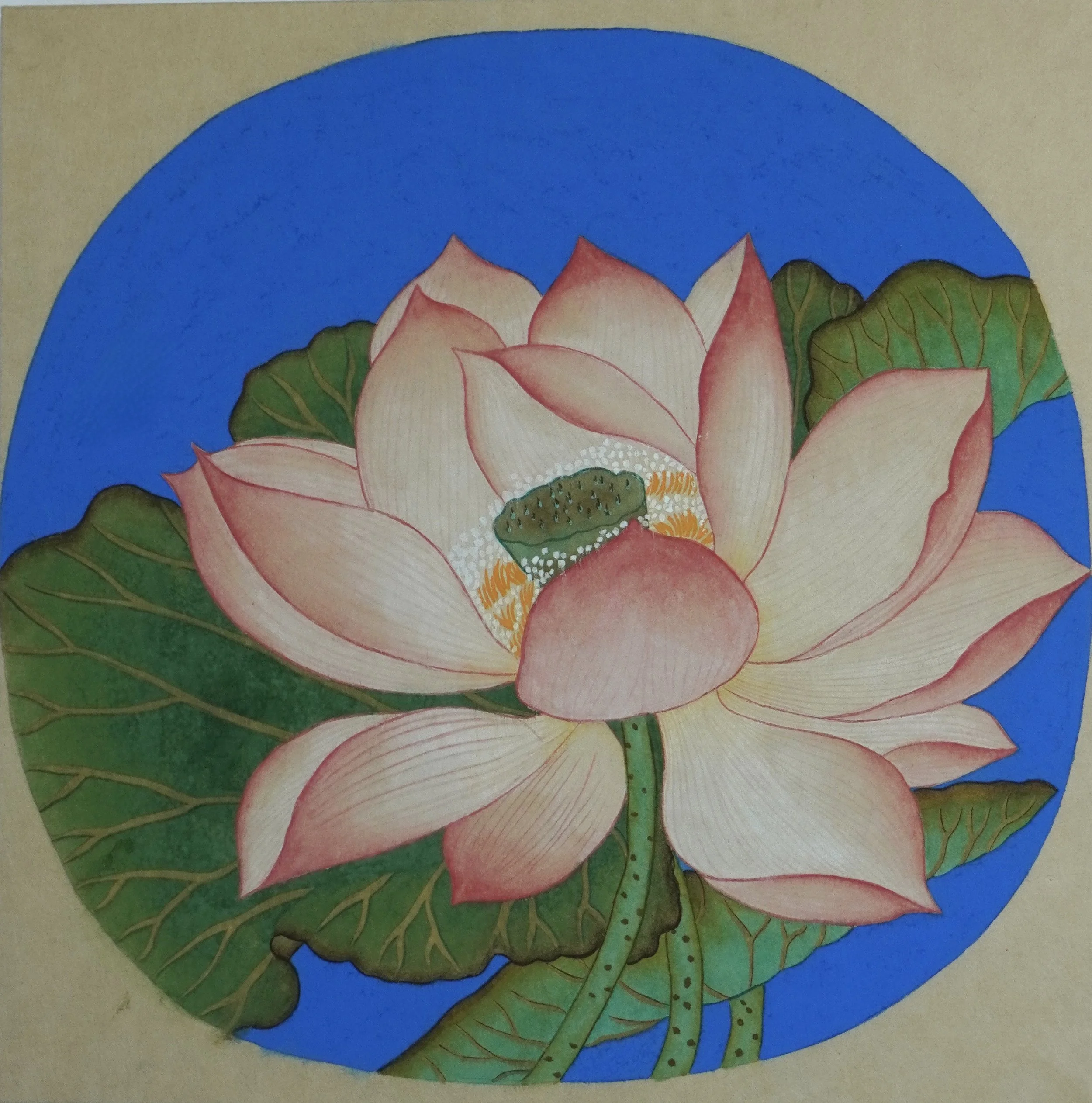
A study of ‘Lotus out of Water’ (出水芙蓉圖) on hanji, originally by Wu Bing, Southern Song Dynasty, 12th century. This circular fan painting on silk represents the peak of academic realism and symbolises longevity and vitality.
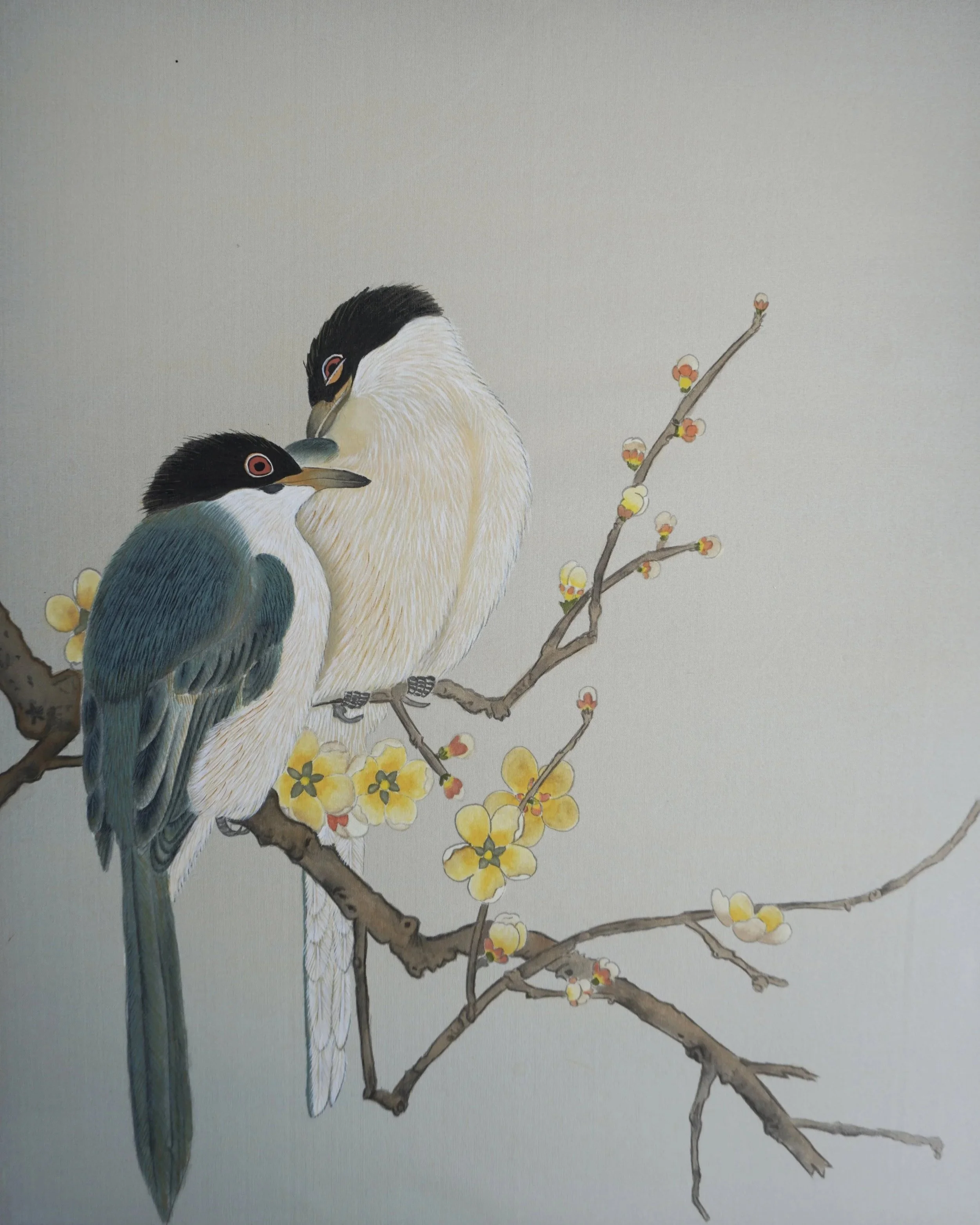
A study of 'Birds on a Plum Branch' (매작도) on silk, based on an anonymous masterpiece from the Chinese Song Dynasty (10th–13th Century). This piece symbolizes enduring love and the arrival of spring. Based on the Gongbi-hwa curriculum by Li Gang (Volume 2).
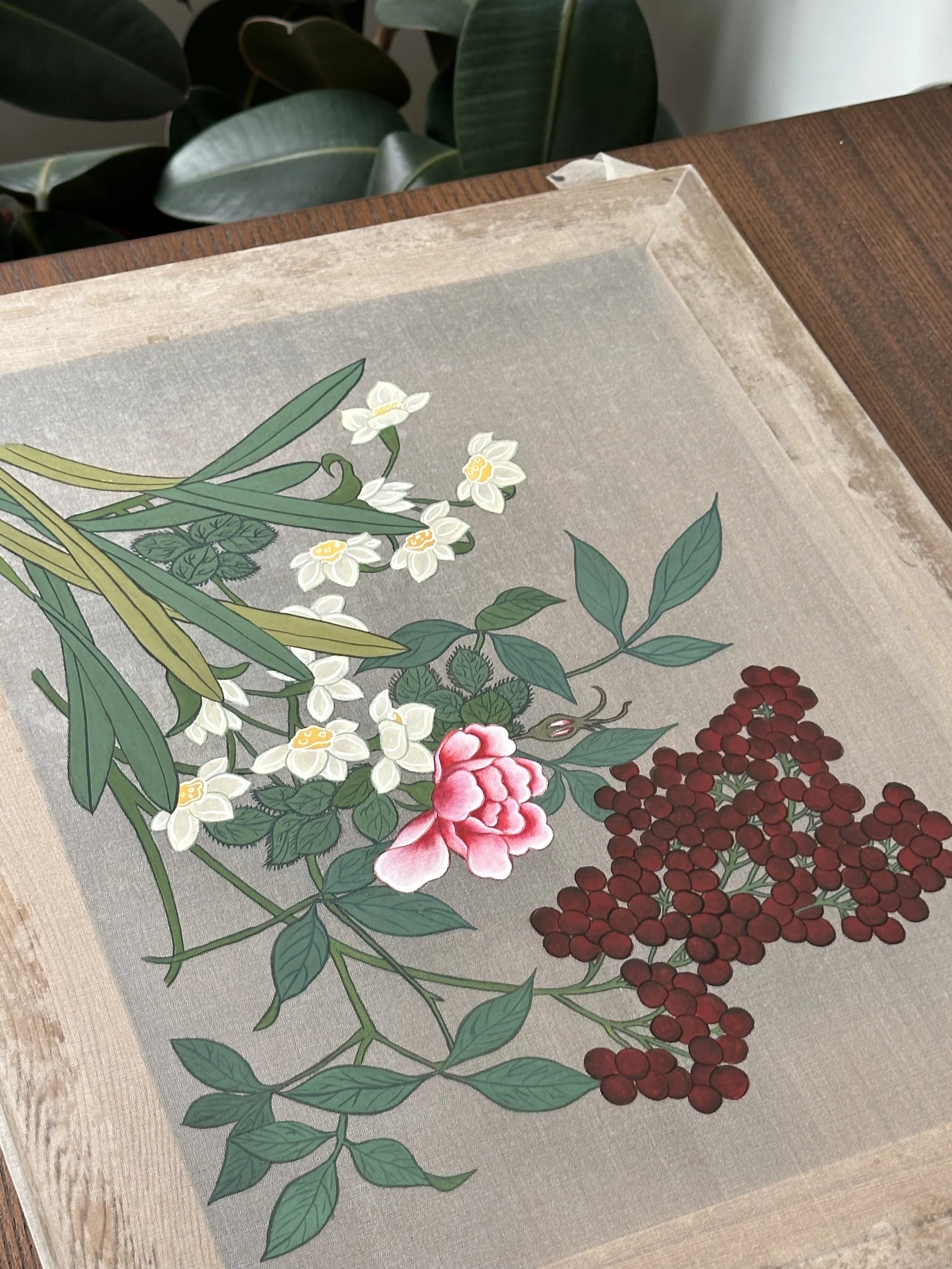
A study of Gongbi-style painting on silk. Based on the Gongbi-hwa curriculum by Li Gang (Volume 4); technical guidance by Kim Ye-un at Studio Yen.
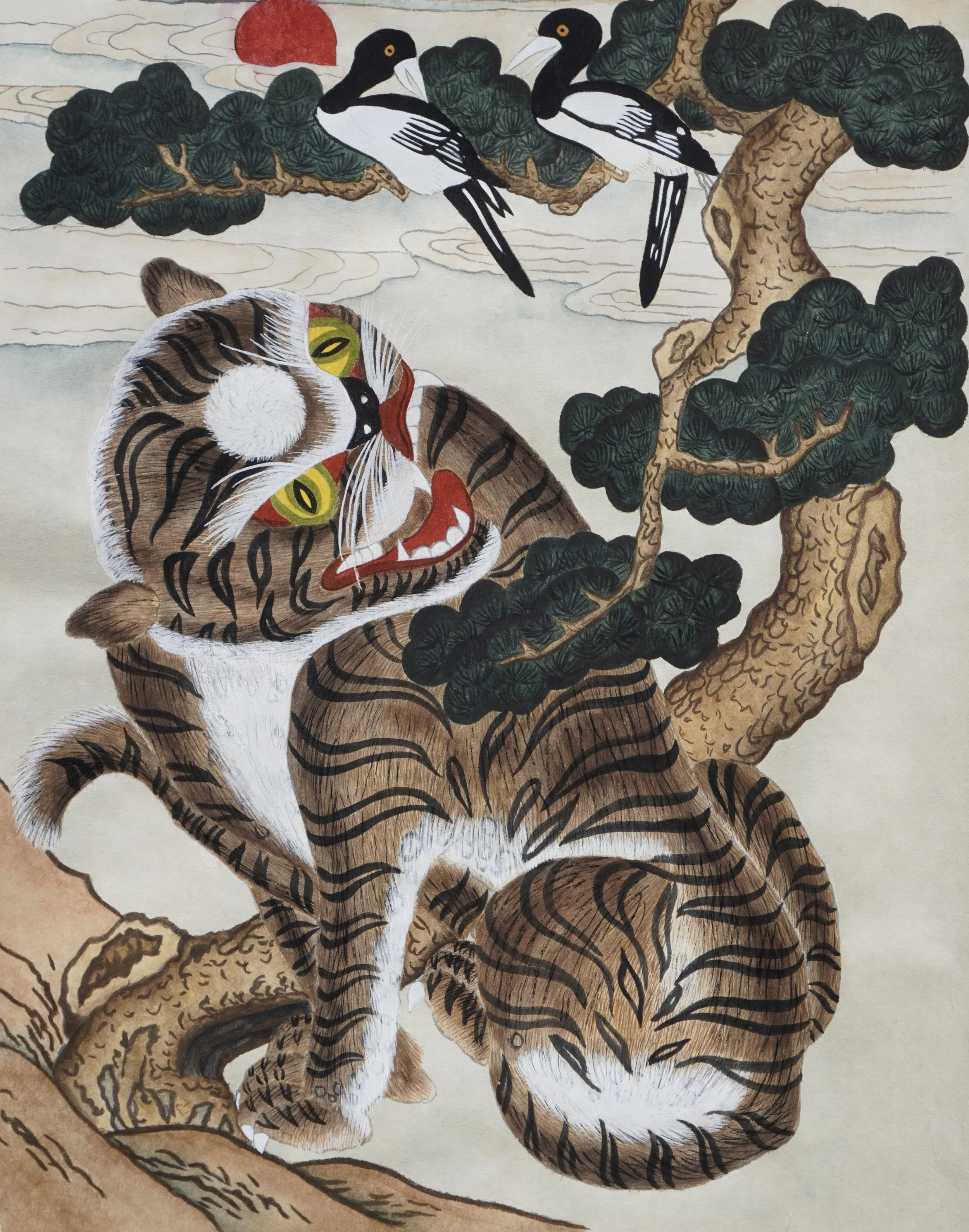
A study of Hojakdo (호작도) on hanji paper, originally by the Unknown Artist, 19th century. It symbolises protection from evil and the arrival of good news.
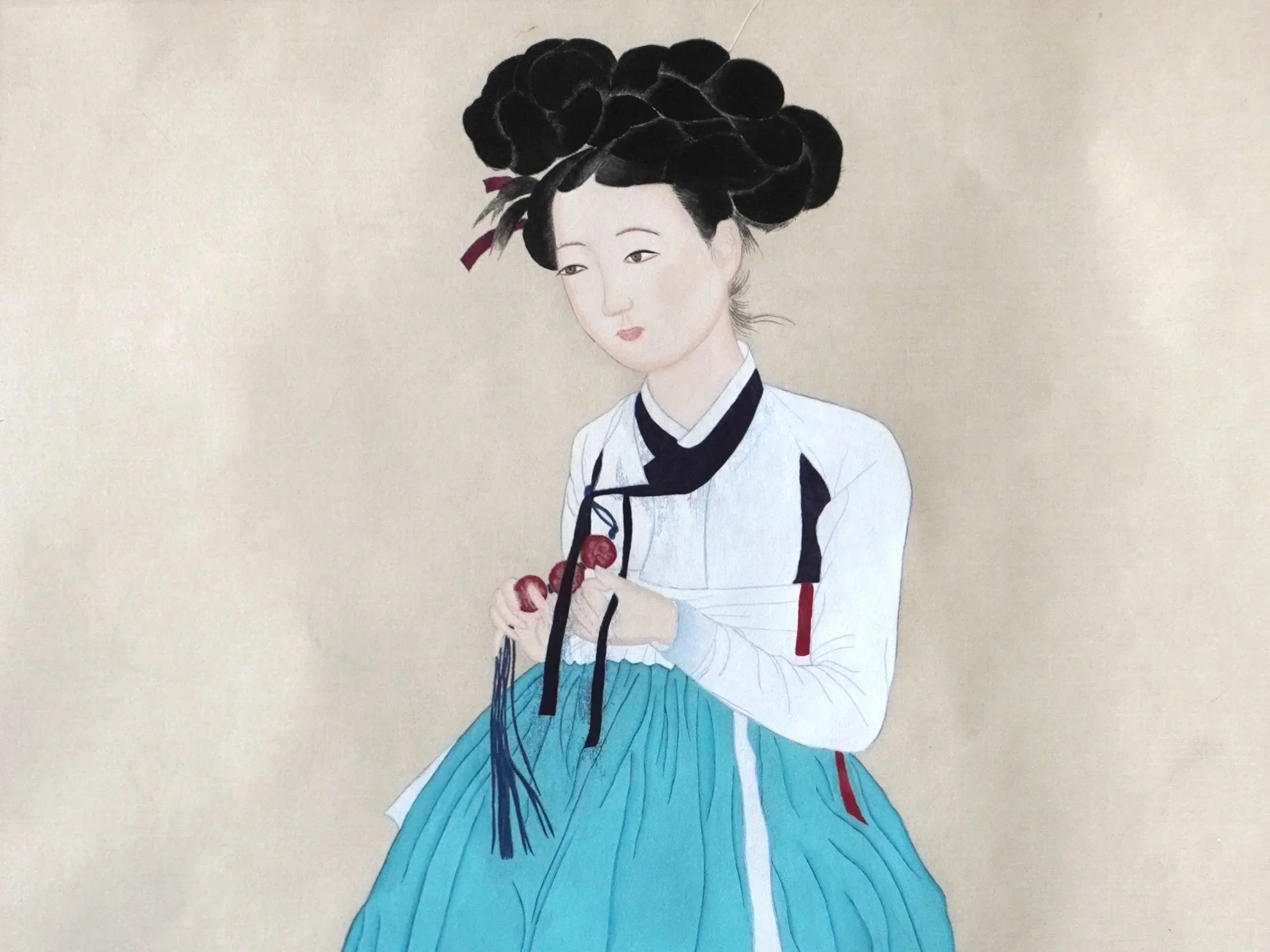
A study of Miindo (미인도 - Portrait of Beauty), a painting by Sin Yun-bok (ca. 1758 - after 1813); technical guidance by Kim Ye-un at Studio Yen. While Miindo traditionally represents the pinnacle of Joseon aesthetic beauty, modern interpretations often explore the tension between these idealised forms and the restrictive social realities faced by women of that era.
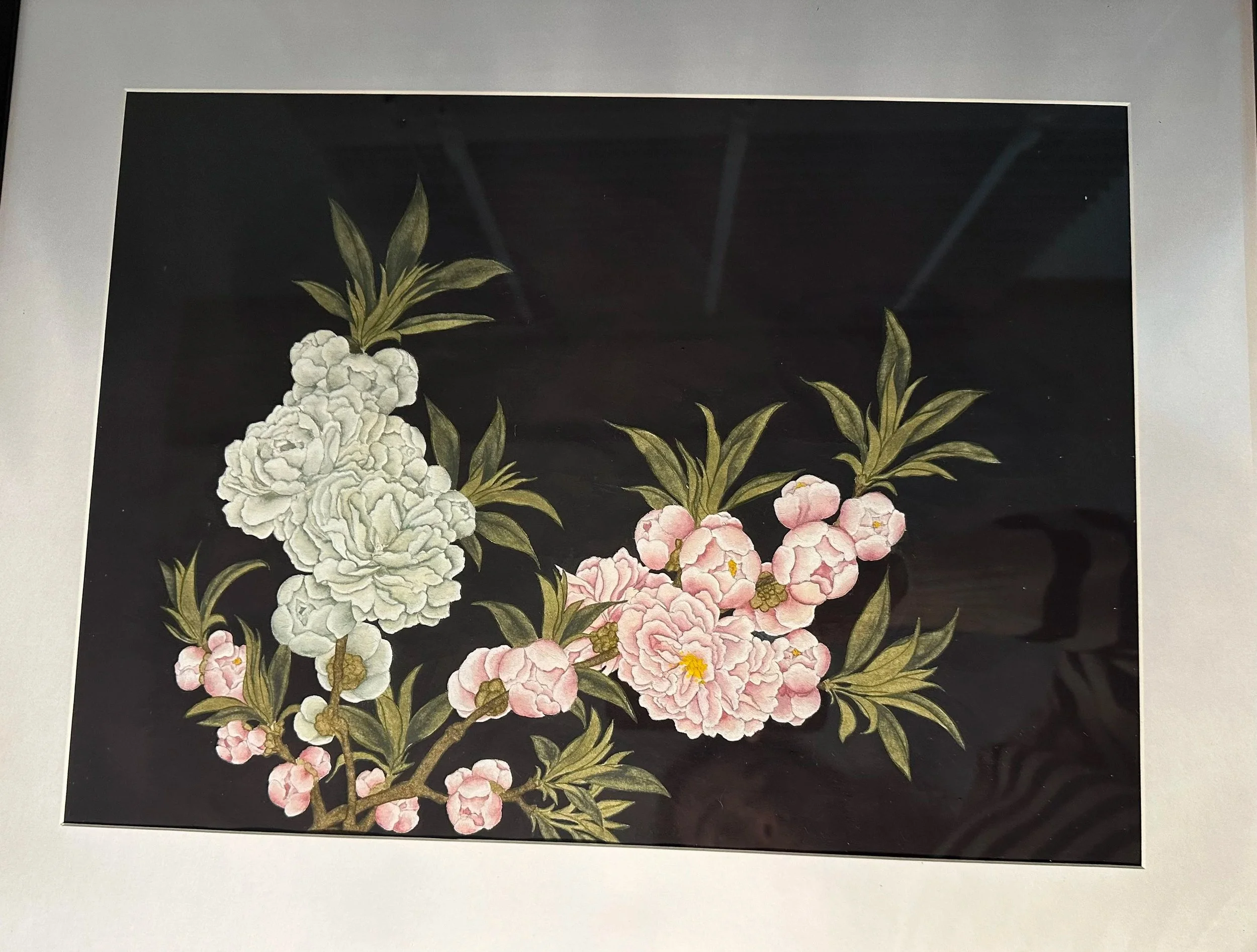
A study of Byeokdodo (벽도도 - The Jade Peach), originally by an Unknown Artist, Chinese Song Dynasty (960 – 1279). Based on the Gongbi-hwa curriculum by Li Gang (Volume 1); technical guidance by Kim Yeun at Studio Yen.
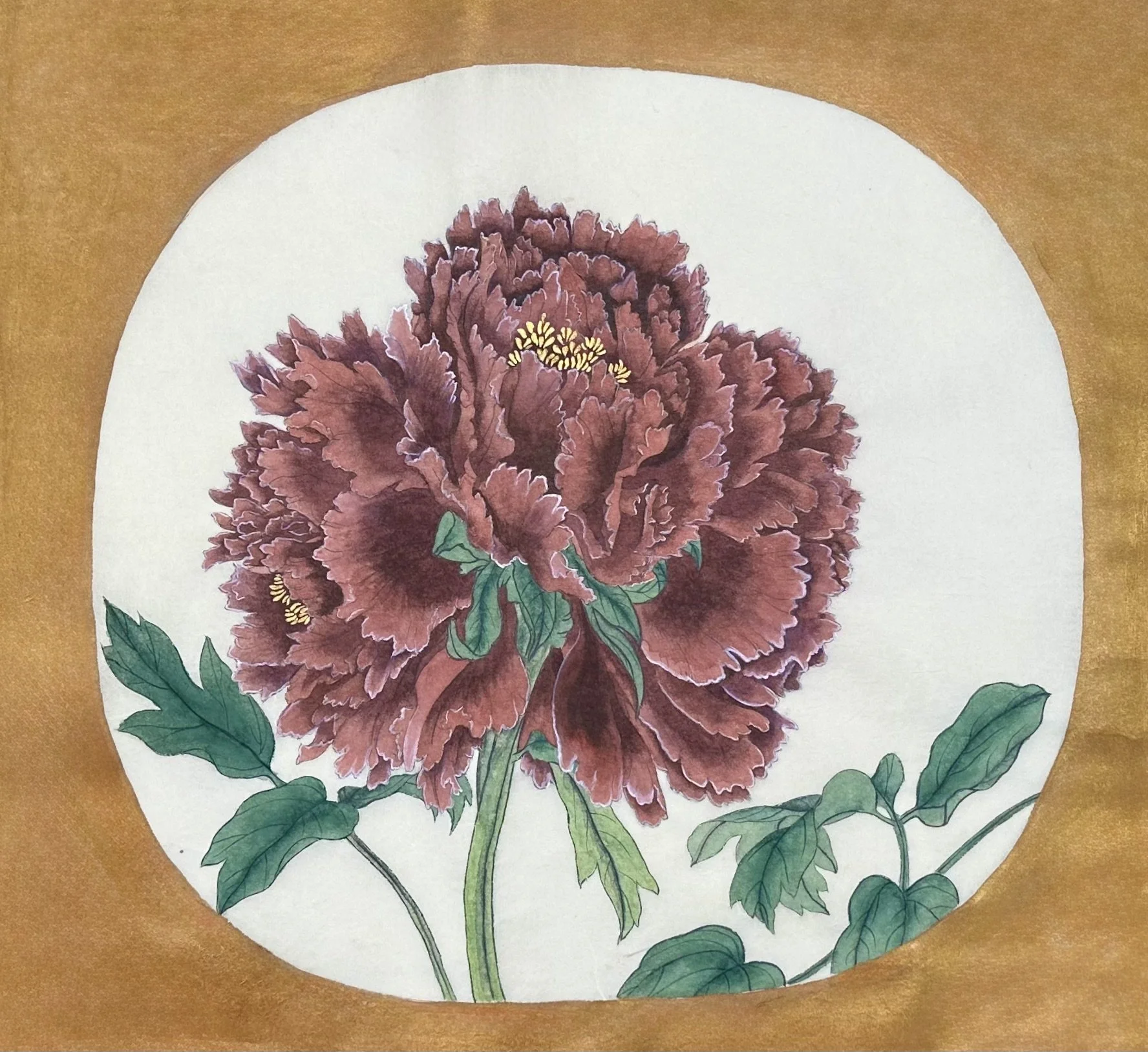
A study of Morando (모란도 - Peony) originally by an Unknown Artist, Chinese Song Dynasty (960 – 1279). Based on the Gongbi-hwa curriculum by Li Gang (Volume 1); technical guidance by Kim Yeun at Studio Yen.
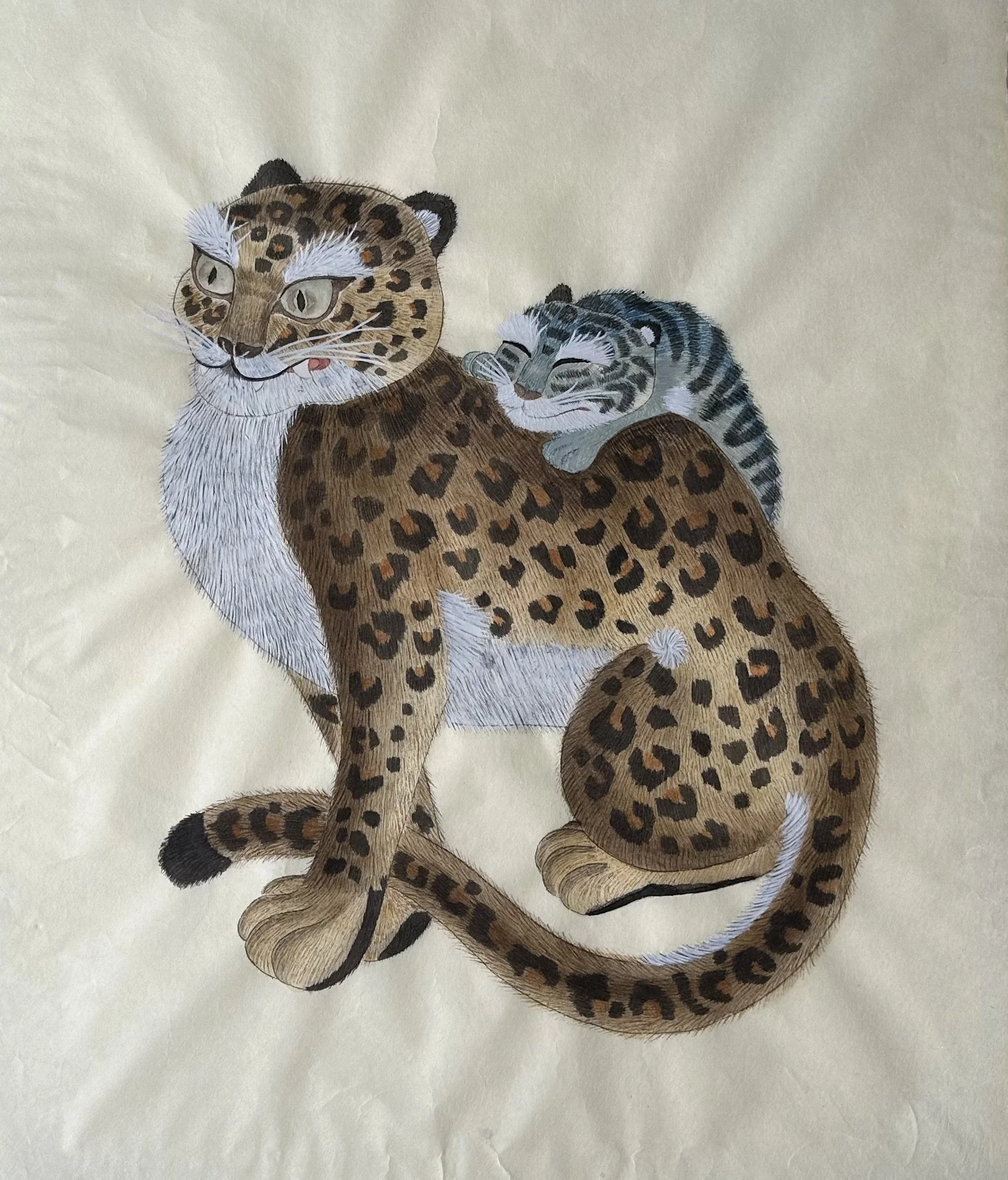
A study of a traditional Mojahodo (모자호도 - Tiger and Cub) on hanji, originally by the Unknown Artist, 19th century. Based on a modern draft by Ji Min-sun; technical guidance by Kim Ye-un at Studio Yen. Represents family harmony, parental love, and the wish for blessings to be passed down through generations.
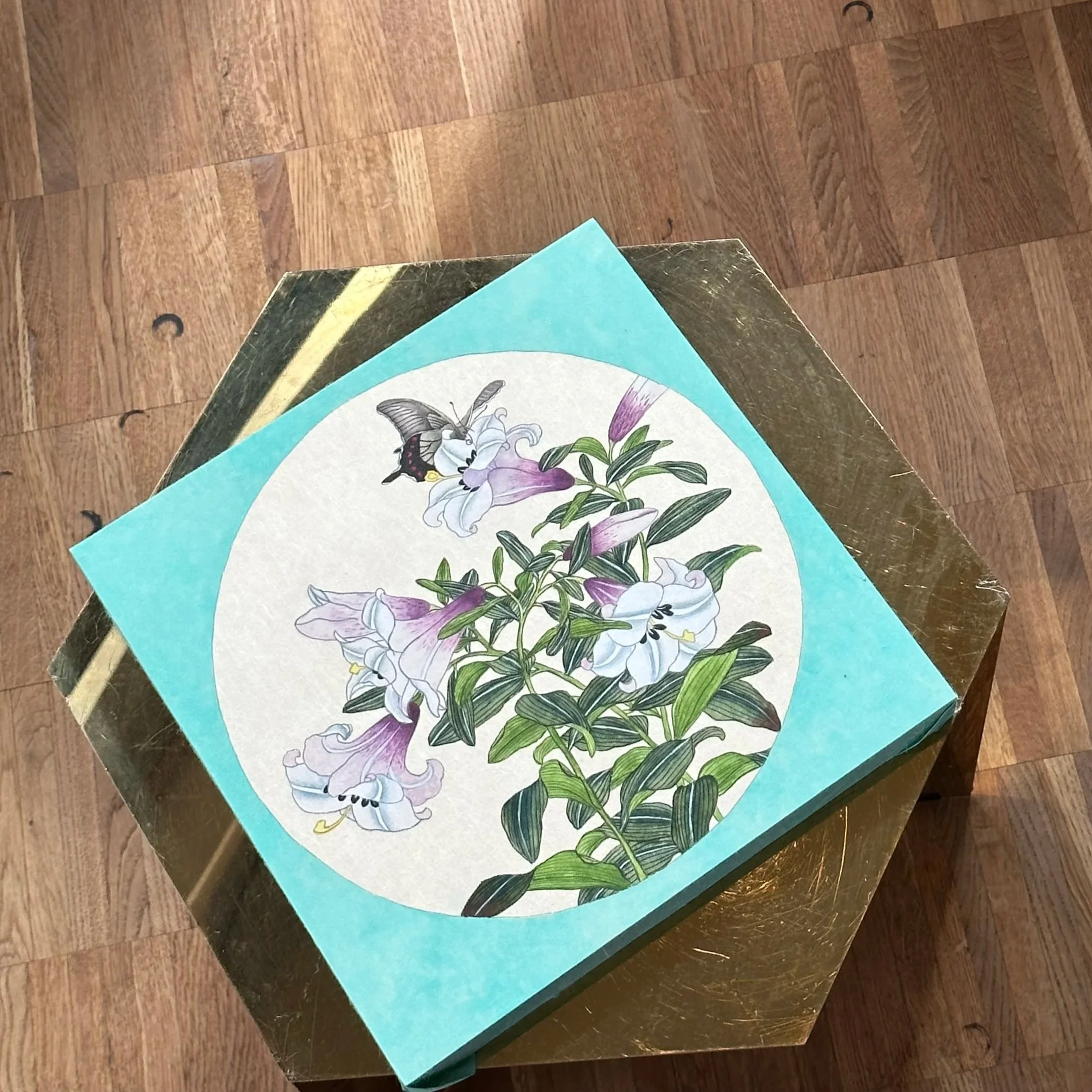
A study of 'Lilies and Butterfly' (백합꽃과 나비), based on the Gongbi-hwa curriculum by Li Gang (Volume 7); technical guidance by Kim Ye-un at Studio Yen. This is a classic theme symbolising 'Baek-nyeon-hae-ro' - the blessing of growing old together in harmony for a hundred years.